🌾 Ukrainian Family Classic: Braised Cabbage with Peppers, Onions & Tomato
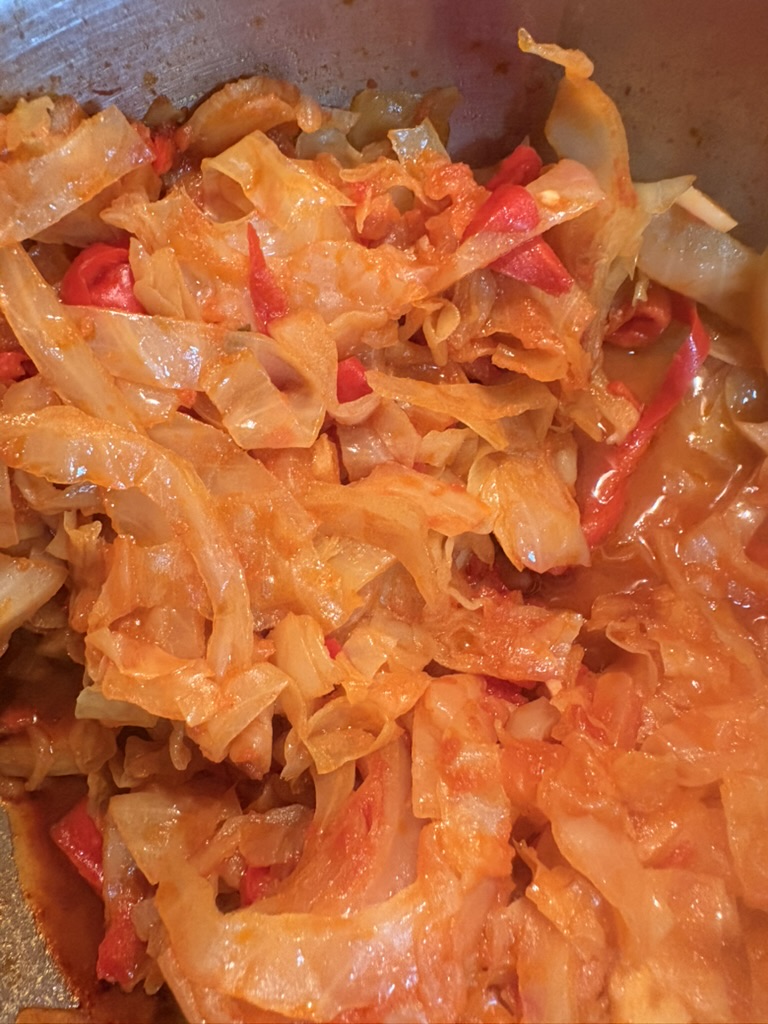
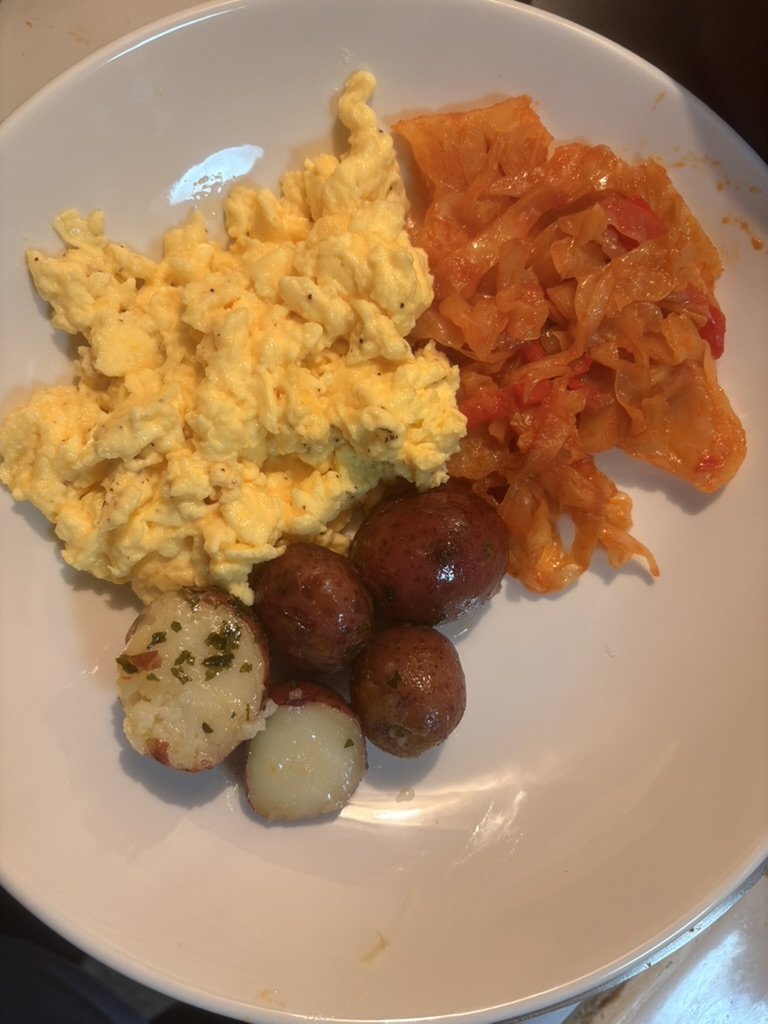

Some recipes carry more than just flavor — they carry stories. This rustic Ukrainian dish of braised cabbage with peppers and onions has been passed down through my family’s generations. Over time, we adapted it with a touch of tomato sauce, a splash of chicken broth or water, and a drizzle of olive oil. Simple, hearty, and endlessly versatile, it’s the kind of food that belongs as much on a Sunday dinner table as it does at breakfast on a weekday morning.
Growing up, we often enjoyed it alongside roasted meats or pierogi, but my mom especially loved it with scrambled eggs — sometimes for breakfast, and sometimes for supper at night. It’s these little traditions that turn a humble dish into a true family treasure.
🍲 Braised Cabbage with Peppers, Onions & Tomato
Serves: 4–6
Prep Time: 15 minutes
Cook Time: 35–40 minutes
Ingredients
· 1 medium head of green cabbage, shredded
· 1 large onion, sliced
· 2 bell peppers, sliced
· 2–3 tbsp olive oil
· 1 cup tomato sauce (or crushed tomatoes)
· ½–1 cup chicken broth or water (as needed)
· Salt and black pepper, to taste
Method
1. Heat olive oil in a large skillet or Dutch oven over medium heat.
2. Add the onion and peppers, sauté until softened and slightly golden.
3. Stir in the cabbage and cook until it begins to wilt.
4. Add tomato sauce and enough broth or water to help the vegetables braise gently.
5. Season with salt and pepper. Cover and simmer 25–30 minutes, stirring occasionally, until the cabbage is tender and flavors have melded.
6. Adjust seasoning to taste. Serve warm.
Serving Suggestions
Pairs beautifully with roasted chicken, pork, pierogi, and potatoes. For a homestyle twist, try it with scrambled eggs — just the way my mom loved it.
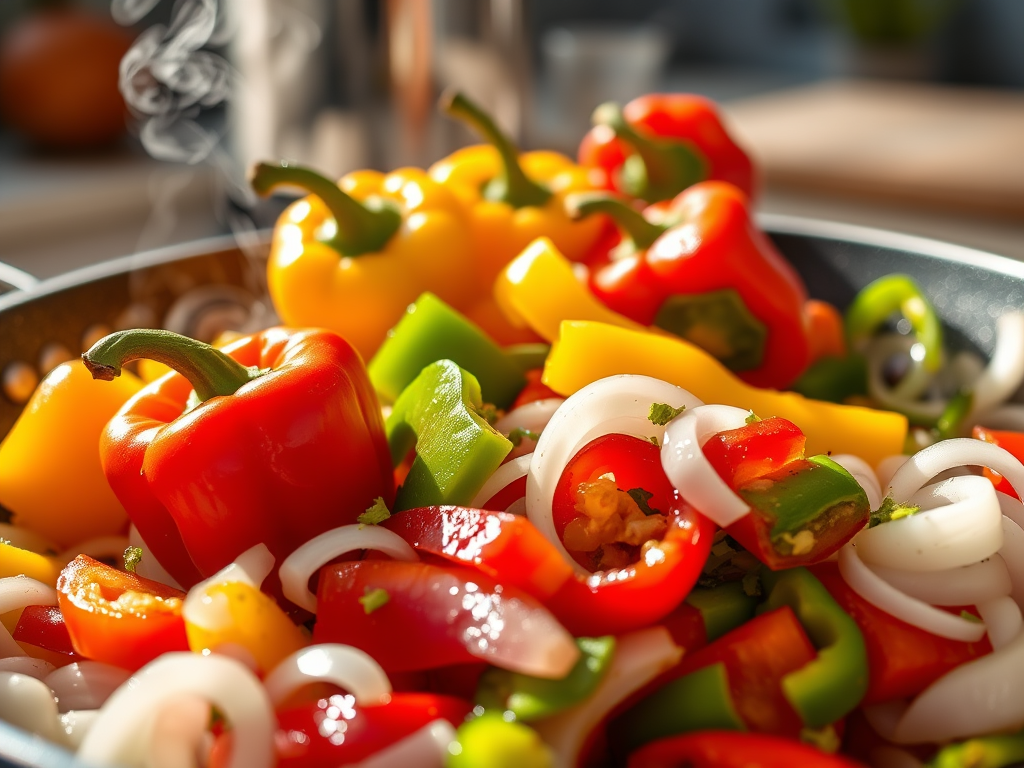
Peppers and Onions: A Global Flavor Story
Few ingredient pairings are as universal—or as beloved—as peppers and onions. Whether sautéed, roasted, grilled, or simmered into a stew, the duo shows up in kitchens across the globe. Their flavors balance beautifully: the natural sweetness of onions softens the bite of peppers, while the peppers bring freshness, heat, or tang depending on the variety. Together, they’ve become a foundation of countless regional cuisines.
Ancient Roots of the Pairing
Onions are among the oldest cultivated vegetables, with evidence of their use dating back over 5,000 years in Mesopotamia and Egypt. Peppers, on the other hand, are native to Central and South America, where they were domesticated as early as 6,000 years ago. It wasn’t until after Christopher Columbus’s voyages in the late 15th century that peppers spread to Europe, Africa, and Asia.
Once peppers were introduced across continents, cooks quickly discovered how well they complemented onions—a vegetable already central to Old World cooking. This marriage of “new” and “old” ingredients became a symbol of how food evolves through cultural exchange.
Mediterranean Traditions: In Italy, sautéed peperoni e cipolle (peppers and onions) are a classic side dish, often cooked in olive oil until silky. They also find their way into pasta sauces, frittatas, and atop rustic pizzas. In Spain, the combination is at the heart of pisto, a cousin to French ratatouille, where peppers and onions are stewed with tomatoes and zucchini.
Greek and Turkish cuisines use the pairing in slow-cooked vegetable dishes like briam or imam bayildi, where onions mellow out the sharpness of roasted peppers.
Latin America: Because peppers originated in the Americas, it’s no surprise they pair naturally with onions in Latin cooking. From the sofrito base of Puerto Rico and Cuba—onions, peppers, garlic, and herbs—to Mexican fajitas, where strips of peppers and onions are grilled with meat, this flavor duo is indispensable. In Peru, the stir-fried dish lomo saltado marries onions and peppers with beef and soy sauce, showing the fusion of indigenous and immigrant influences.
South Asia: India embraced peppers after they arrived from the New World, incorporating them into spice-rich curries alongside onions. Onion and chili pepper are often the first ingredients added to hot oil in dishes from Northern curries to Southern stir-fries. The combination provides a foundation for depth and heat, setting the stage for layers of spices.
East Asia: In Chinese stir-fries, peppers and onions often appear together, especially with beef or chicken, where their crisp textures contrast tender meat. Sichuan cuisine, famous for its heat, pairs sweet onions with fiery peppers for balance. In Thailand, peppers (both sweet and hot) with onions show up in wok-fried dishes flavored with soy, fish sauce, and basil.
The Middle East and North Africa: The Moroccan dish taktouka (a pepper-and-onion-based salad) highlights how the pairing works with spices like cumin and paprika. In Middle Eastern stews and tagines, onions soften the punch of peppers, both fresh and dried.
The All-American Sizzle
In the U.S., peppers and onions became iconic on the grill and stovetop alike. Think of Philly cheesesteaks smothered in sautéed onions and peppers, or Italian-American sausage-and-pepper sandwiches. The pairing embodies comfort and nostalgia, often evoking backyard barbecues, street fairs, or Sunday dinners.
Why This Pairing Endures
The universal love for peppers and onions comes down to three things:
- Flavor Harmony – Sweet, sharp, smoky, or hot, they balance each other perfectly.
- Versatility – They adapt to countless cooking methods: sautéing, roasting, stewing, grilling.
- Cultural Exchange – Their story reflects the blending of Old World onions and New World peppers, a culinary dialogue that continues today.
 Plated in Season
Leave a comment